Overview of Why You Should Start Investing After Receiving Your First Salary
First salary is a major milestone for many that also sets forth a new chapter in their lives. Almost all individuals who start working, keep financial independence as the key destination. But, you may very well know that this doesn't happen just by thinking.
You need to plan your investments from your very first paycheck day. Remember, it's not only about growing money, it's about building financial discipline too. And, you don't need proof to validate the fact that the earlier you begin, the more time your money has to grow. The more time you give, the more magic of compounding you'll witness.
Even investing ₹1,000 a month from your first job can lead to lakhs in the future. Let's help you know more.
Know How to Invest Your First Salary
Before we get into the practical strategies, let's give you a moment to understand the steps before.
Track your income and expenses: Know what you're earning and where it's going.
Build an emergency fund: Analyze how much you spend every month and start saving at least 3-6 months of those expenses in a liquid or savings account.
Start small but start now: Begin investing with whatever amount you can spare after covering your expenditure and savings.
Some different investment options you can explore:
Mutual Funds: Great for beginners; start SIPs with as little as ₹500.
Public Provident Fund (PPF): Safe, long-term returns with tax benefits.
Stocks: Higher risk, but higher reward. Best for long-term investing.
Fixed Deposits (FDs): Safer, low-risk investment.
Digital Gold or REITs: Easy options to diversify your portfolio.
Tips and Tricks on How to Invest Your First Salary
Automate your investments: Set up auto-debit for SIPs so you don't forget or delay.
Follow the 50-30-20 Rule: Use 50% for needs, 30% for wants, and 20% for saving and investing.
Avoid lifestyle inflation: Mark these words: Just because you're earning doesn't mean you need to upgrade everything.
Don't put all your eggs in one basket: Diversify across different asset classes.
Keep learning: Follow financial influencers, read books, or watch YouTube videos on personal finance.
Difference Between Investing Online vs. Offline
When it comes to Investing Online vs. Offline, both have pros and cons.
Investing Online:
• Quick, convenient, and paperless.
• You can start with low amounts.
• Easy to track and manage investments.
• Ideal for tech-savvy, young professionals.
Investing Offline:
• More suitable if you prefer personal guidance.
• Involves paperwork and in-person visits.
• Might take more time and effort.
With so many platforms and apps available, online investing is the preferred choice for most first-time investors today. It's efficient and lets you explore different investment options right from your phone.
How to Manage Your First Salary Smartly?
Here's a simple strategy to manage your first income:
• Create a monthly budget.
• Track your spending.
• Save before you spend.
• Avoid unnecessary EMIs or debt.
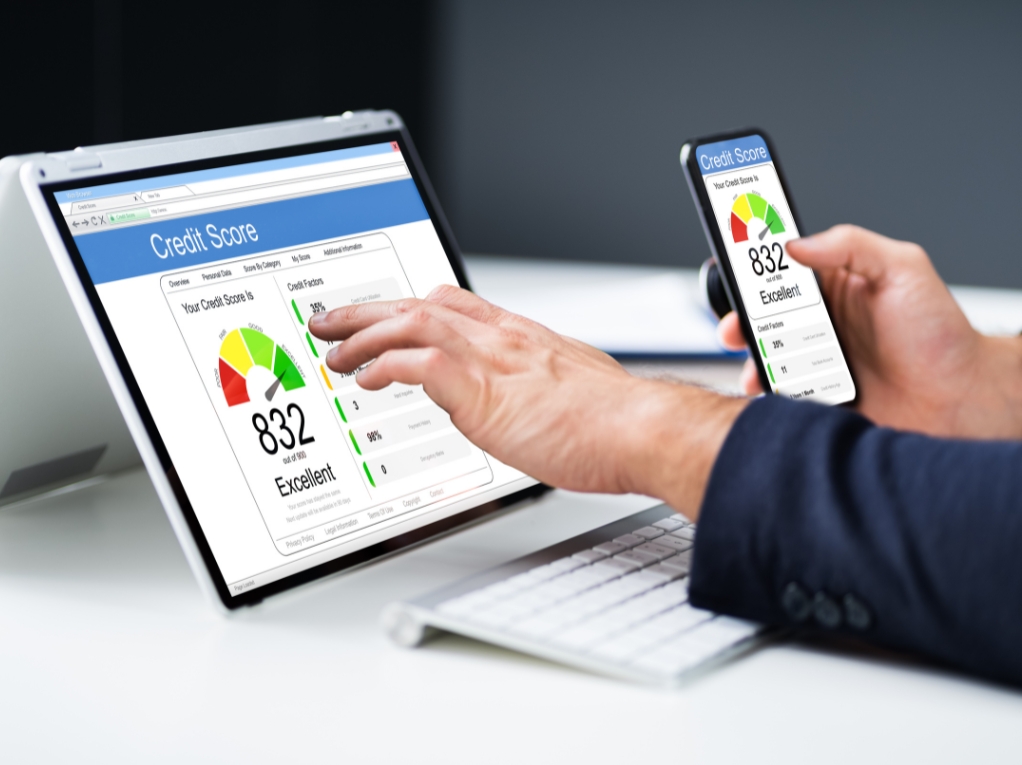
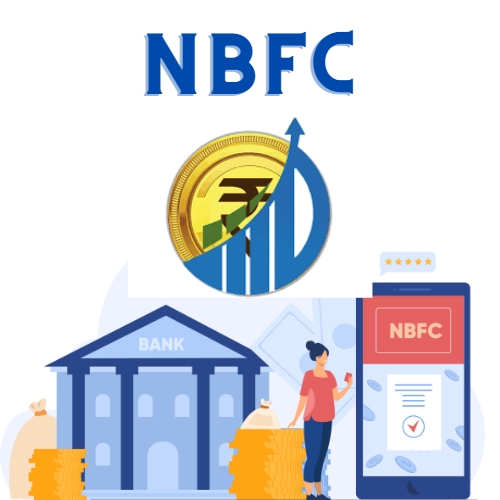
• Start building a credit score. An easy way: You can do this with a secured credit card or small personal loan from a Non-Banking Finance Company.
If you ever feel short on funds for emergencies or other major requirements, you can consider borrowing funds. For this, research and try to find the best personal loan finance company according to you.
Reasons to Start Investing Early and Secure Your Future
Compound returns: The earlier you start, the more you earn on your earnings.
Risk absorption: You can afford to take more risks when you're young.
Better financial habits: Early investing teaches you discipline.
Future goals: Whether it's buying a car, higher education, or world travel, investments help you get there.
Why Investment is Important
Savings alone don't beat inflation. If your money just sits in a bank account, its real value goes down over time.
Personal investment helps you stay ahead of inflation, create wealth, and reach your life goals. It gives you control over your financial future instead of depending on luck or someone else.
Conclusion
Your first salary is more than just money; it's a ticket to financial freedom. Starting your first salary investment early can lead to powerful long-term benefits.
Let's recap:
• Investing early builds discipline and wealth.
• Learn how to budget, save, and invest wisely.
• Use online platforms for easy access to different investment options.
• Understand the pros and cons of Investing Online vs. Offline.
• Keep long-term goals in mind and stay consistent.
The journey to financial independence starts with your very first paycheck. So why wait?
FAQs