Introduction
Let's take you back in time. Have you ever applied for a credit card? Or a mortgage? Or even a job? You may already know that your credit report plays a very big role in deciding whether you are approved or not.
Now, here's the main question: 'Have you wondered who controls that information and how that information is used?' This is where the Fair Credit Reporting Act (FCRA) comes into play.
It's a law, actually, a crucial one, that protects consumers from unfair practices by credit reporting agencies. This law makes sure that your credit data is safe and handled correctly. Hence, understanding the FCRA is important for everyone who applies for a personal loan, or deals with a Non-Banking Finance Company (NBFC).
Let's dig a little deeper into this subject.
What Is the Fair Credit Reporting Act (FCRA)?
The Fair Credit Reporting Act, often referred to simply as FCRA, is a U.S. federal law of 1970. It was brought forth to regulate the collection, sharing, and use of consumers' credit information. Again, as we mentioned earlier, its main job is to keep the information in your credit report accurate and fair.
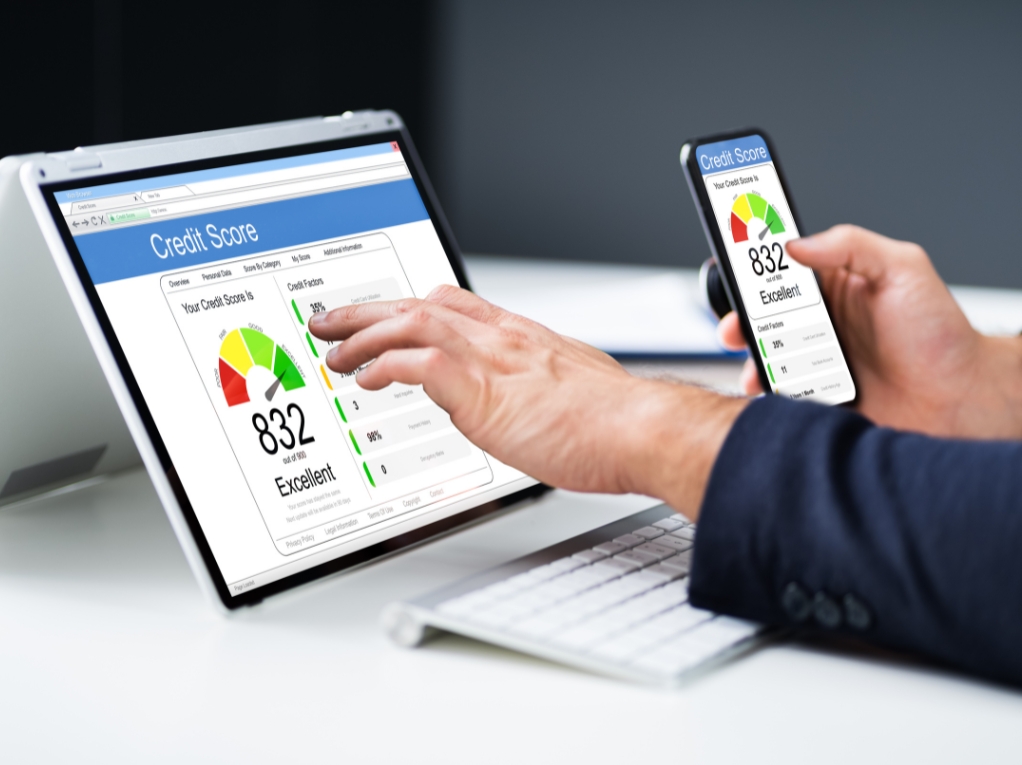
Credit reports, you would know, are detailed reports of your borrowing history. History of your loans, credit cards, payment behavior, and more. Many lenders, employers, insurers, and landlords often rely on these reports to make their decisions.
The purpose of the Fair Credit Reporting Act? To give you control over how that information is collected, shared, and corrected if it's wrong.
There are high chances that without it, credit reporting agencies could misuse or sell your data without your knowledge.
How the Fair Credit Reporting Act (FCRA) Works
Many of you would be wondering how exactly the FCRA works. Well, this act sets clear rules for how credit reporting agencies can collect, store, and share your credit information. These agencies gather data from lenders, banks, and financial institutions to create your credit report. After that, they share this report with the party asking for it (lenders, employers, etc).
Here's a simple example of the FCRA in action:
Imagine you are applying for a personal loan from a bank or a Non-Banking Finance Company. Before approving the loan, the lender checks your credit report, right? Under the FCRA, they must have your consent to access it, and you must be informed if the decision is based on something negative in that report. So, with this, you have transparency and safety.
What Credit Bureaus Can and Can't Do Under the Law
The FCRA gives credit reporting agencies a clear rulebook. They have certain powers but also strict limitations.
They CAN:
• Collect and compile information from lenders, credit card companies, and other financial entities.
• Share your credit report with authorized parties like lenders, landlords, and employers (with your permission).
• Look for and correct any errors, if found, in your report.
They CANNOT:
• Share your credit information with unauthorized third parties; never.
• Report inaccurate, outdated, or unverifiable information.
• Refuse to check disputes within the required time frame (usually 30 days).
Consumer Rights Under the FCRA
Let's run you through the rights the FCRA grants you as a consumer.
Right to Access: You have the right to get a free copy of your credit report from each of the major credit bureaus once a year.
Right to Accuracy: If there's incorrect or outdated information, you have the right to dispute it. The agency must investigate it and even correct the errors.
Right to Privacy: Your credit information can't be shared without your consent (except in specific legal circumstances).
Right to Know: If a lender, employer, or landlord denies your application based on your credit report, they must inform you and provide details (of why it was rejected).
Right to Opt-Out: You can choose not to have your credit data shared with certain companies for marketing or promotional purposes.
How the Fair Credit Reporting Act (FCRA) Protects Consumer Rights
You need to know that the FCRA is not just about the rule. It's about real protection. You can think of it as a shield that protects you from unfair judgement. Yes, there are chances of inaccurate credit information. But the FCRA gives you the much-needed power to fix errors that could otherwise harm your financial future.
Let's understand this by an example. Suppose a credit reporting agency lists a loan that you never took. This mistake can lower your credit score and even cost you a loan approval or a job. Thanks to the FCRA, you can dispute that information and have it corrected (often within 30 days).
Additionally, the law requires companies to notify you if negative information in your credit report affects their decision. This transparency allows you to understand why you were denied and what steps you can take to improve your credit profile.
Conclusion
The Fair Credit Reporting Act plays a crucial role in protecting your financial reputation. It ensures that credit reporting agencies collect and share information responsibly, gives you the right to access and correct your credit data, and holds companies accountable for how they use it. Whether you're working with a bank, applying for a loan from a Non-Banking Finance Company, or exploring personal loan services, knowing your rights under the FCRA can help you make more confident financial decisions.
FAQ