
When someone applies for a loan or a credit card, lenders want a quick, reliable way to judge the risk. That is where the CIBIL score comes in. It's like a summary of how a person has handled credit in the past, and it strongly influences the interest rate, the loan amount, and even if the application will be approved in the first place. This blog explains what the CIBIL score is, how it's calculated, why it matters for loans, and what to do when the score is low.
Overview of CIBIL Score
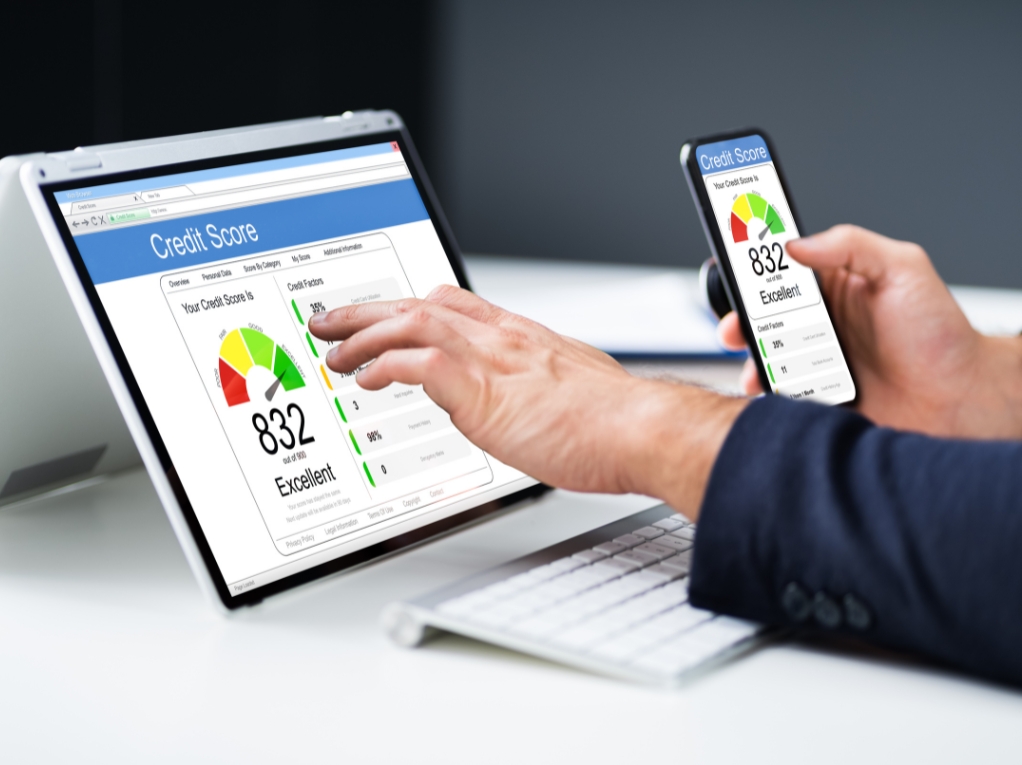
A CIBIL score is a 3 digit number that represents a borrower's credit profile. It is generated through a collection of information in one's credit profile, for example, their repayment habits, outstanding loans, use of credit cards, and new credit inquiries.
In other words, the result of the score simply answers one question: how likely is that the borrower will repay on time?
What is CIBIL Score?
The CIBIL score generally ranges from 300 to 900. When the score is high, the credit conduct is good. When the score is low, the credit risk is high. Most lenders find a high CIBIL score preferable. It shows lenders that the borrower is disciplined.
Developing the habit of viewing your Annual CIBIL Score every year would help you in checking the progress made and will keep you away from surprise situations at the time of borrowing.
Benefits of a Strong CIBIL Score
A good credit report will help save money and reduce unnecessary stress. The following are the Benefits of a Strong CIBIL Score:
- Greater prospects for loan and credit card approvals
- Lower interest rates, leading to a lower cost of repayment
- Increased borrowing limits and flexible repayment periods
- Quick processing, as the lender requires fewer additional verifications
- Increased leverage regarding competing loan offers from different banks
In summary, a healthy CIBIL Score not only increases loan chances but is also known to enhance the quality of the loan.
How to improve your CIBIL score?
Fixing credit scores isn't about doing something quick. Fixing credit scores is about developing good habits.
Pay EMIs and credit card bills on time: The biggest factor that influences your score is your repayment performance. One default alone can adversely affect your score.
Keep credit utilisation low: If credit cards are being used heavily, it could signify dependence on the credit facility. Ideally, one should not utilise too much of the available credit limit.
Avoid multiple loan or card applications in a short period: Too many requests in a short span of time can lower one's credit score and make one look untrustworthy to a lender.
Maintain a balanced credit mix: A combination of secured credit, for example, home loan, and unsecured credit, for example, personal loan and credit card, can work if the repayments are strong.
Check the credit report for errors: There could be instances when incorrect information, duplicate loans, or incorrect payment information could bring the score down. These can be contested and corrected.
How is a CIBIL Score calculated?
Although the formula used in scoring is not public, the score is known to be affected by the following:
- Repayment history: Timing of EMIs and Credit Card Transactions
- Credit utilisation: Usage of credit compared to total available limits
- Credit age: The length of time that a credit history has existed
- Credit mix: The respective types of credit used (secured and unsecured)
- Recent enquiries: Rate of new credit applications
This is the main reason why two different people earning the same income can receive very different scores. This is more behaviour-dependent than income-dependent.
Challenges with low credit scores and how to overcome them
A low score poses some difficulties, but it is not a permanent condition.
Common challenges
- Denial or reduced eligibility for loans
- Greater interest rates and tougher conditions
- Lower approved amounts compared to what is being asked for
- Additional documentation or requirements regarding a guarantor/co-applicant
How to overcome them
- Start with manageable repayments so you never miss a due date
- Pay off existing balances rather than carrying credit each month
- Restructure or settle only after analysing the impact it will have on the credit report
- Build consistency for 6 to 12 months before re-applying, if possible
Some borrowers also explore options through Non Banking Financial Company or Loan Lending Company, where the eligibility criteria may be different for different products. However, the best long-term strategy remains improving repayment behaviour so that future offers become cheaper and easier.
Why does the CIBIL credit score matter?
This is because it directly impacts lending decisions. In most of these cases, it is used to determine estimated probabilities of default on loan pricing and price the loan accordingly.
For instance, in the context of the CIBIL score for personal loan eligibility, a higher credit score will help increase the chances of loan approval as well as negotiate a lower rate of interest. Although it is possible to get the loan approved even if there is a low credit score, the borrowing charges can increase along with a lower loan amount or a lower loan tenure.
Conclusion
A CIBIL score is more than just a number, it's an indicator of credit discipline. In this blog, one has learned about the importance of a CIBIL score, its factors, and how it can be maintained. If a CIBIL score is low, it's not a matter of panic, it's a matter of consistency.
To help you manage your credit needs, PayRupik offers quick personal loans with competitive interest rates and flexible repayment options that can help improve your credit profile when managed responsibly.
Call: Customer Service Number: 022489-30118, Complaint Number: 08047181465, and
Email:[email protected] to get more information about the personal loan.
What is a good CIBIL Score to get a loan?
Lenders often favor credit scores in the higher range, and only the best scores lead to the best rates and quickest approvals.
Does checking my CIBIL Score lower it?
No. It is just a self-query, and there is no decrease in the score.
Can I get a loan without a CIBIL Score?
Yes, it might be possible for first-time borrowers, but banks might use other factors such as income and bank statements.
How can I improve my CIBIL Score quickly?
Visible quick fixes often result from paying past due balances, fixing report errors, and paying down credit card balances.
Does closing old credit cards affect my CIBIL Score?
It can, since closing old accounts might limit the credit history and available credit limit. It has got to be done cautiously.
How long does it take to improve my CIBIL Score?
While it can vary, positive behavior tends to start showing progress over a few months, and then even better results can be seen over a period of 6 to 12 months.
Does salary affect my CIBIL Score?
Salary does not have a direct influence on the score. The score is based largely on credit behavior.
Can joint loans affect my CIBIL Score?
Yes. If you are a co-borrower, then the repayment patterns of that loan may affect you as well.
Can a CIBIL Score alone guarantee loan approval?
No. Lenders also assess income stability, current debts, work history, and internal policies.